
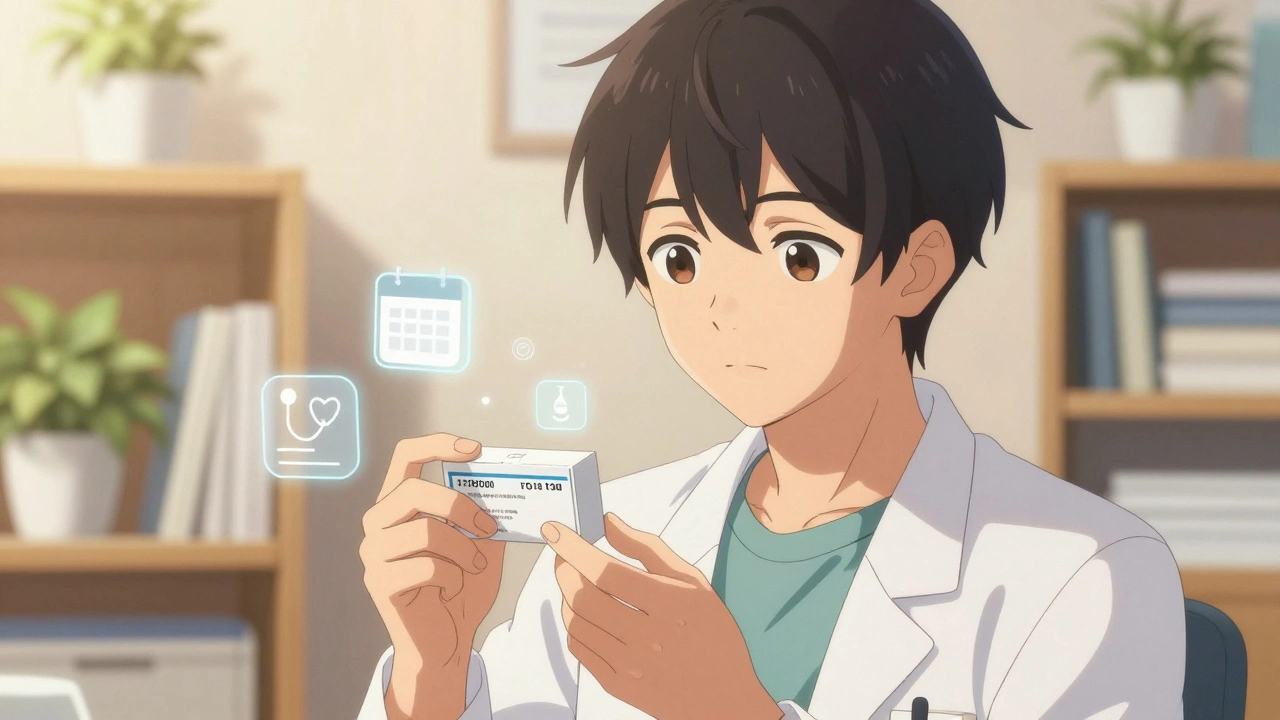
Getting free medication samples can save money and help you test a new treatment before committing to a full prescription. But there’s a fine line between using these programs ethically and abusing them-and ignoring expiration dates can put your health at risk. Many people don’t realize that pharmaceutical companies send out samples with the same care as they do full prescriptions: lot numbers, expiration dates, and storage conditions matter. If you’re getting samples, you’re not just getting a free product-you’re part of a system designed to build trust between you and your healthcare provider.
Why Ethical Sampling Matters in Healthcare
Free medication samples aren’t giveaways. They’re part of a clinical and marketing strategy used by pharmaceutical companies to introduce new drugs, gather real-world feedback, and encourage long-term adherence. When you take a sample, you’re being asked to be an honest participant-not a collector. Hoarding samples, reselling them, or giving them to people who aren’t prescribed the medication violates the trust these programs depend on. According to industry data from the Pharmaceutical Research and Manufacturers of America (PhRMA), over 90% of U.S. physicians use samples to help patients start treatment. But that only works if patients use them responsibly. A 2023 study in the Journal of Patient Safety found that 41% of patients who received samples for chronic conditions like hypertension or diabetes were more likely to stick with their treatment-if they felt the sample process was transparent and ethical. The key is honesty. If you’re signing up for samples, do it because you’re genuinely interested in the medication. Don’t create multiple accounts. Don’t lie about your medical history. And don’t assume that because it’s free, you don’t owe anything in return. Brands track feedback. Doctors notice patterns. And regulators watch for abuse.Where to Find Legitimate Free Medication Samples
The best way to get medication samples is through your doctor’s office. Most primary care providers and specialists keep a supply of samples on hand, especially for new prescriptions or medications with high out-of-pocket costs. Ask your doctor directly: “Do you have samples of this medication?” It’s a normal question. In fact, 78% of patients who ask receive at least one sample, according to a 2023 survey by the American Medical Association. Beyond your doctor, there are trusted platforms that connect patients with pharmaceutical companies. These aren’t random coupon sites or shady Facebook groups-they’re verified programs with strict eligibility rules:- BzzAgent: One of the oldest and most respected platforms, BzzAgent partners directly with drug manufacturers. You’ll often receive full-size bottles, not just trial packs. They require a detailed health profile and ask for honest feedback on effectiveness and side effects. Their 2023 report showed 87% of their medication samples had at least 75% of shelf life remaining.
- SampleSource.com: This platform lets you fill out a health profile including conditions, allergies, and current medications. They match you with samples based on your profile. Users report higher success rates when they list specific conditions like type 2 diabetes or high cholesterol. Their system updates automatically when new samples become available.
- ProductSamples.com: While known for household products, they also offer prescription and OTC medication samples. They require email confirmation and feedback submission within 14 days. Their system includes expiration date reminders.
How to Track Lot Numbers and Expiration Dates
Every medication sample comes with a lot number and expiration date. These aren’t just for show. They tell you when the drug was made and when it’s no longer safe or effective to use. The FDA requires all prescription and OTC medications to display expiration dates clearly. But many people ignore them. A 2023 FDA audit found that 29% of sampled medications received by consumers were expired or within 30 days of expiring-despite regulations requiring manufacturers to ship only products with at least 6 months of shelf life remaining. Here’s how to track them properly:- Photograph the label as soon as you receive the sample. Include the lot number, expiration date, and brand name.
- Input into a tracker. Use a simple Google Sheet with columns: Product Name, Brand, Lot Number, Received Date, Expiration Date, Feedback Status.
- Set a reminder. Add a calendar alert for 30 days before expiration. Most medications lose potency after their expiration date, and some can become harmful.
- Check the manufacturer’s website. Some companies, like Pfizer and Merck, have lot number lookup tools that tell you the exact manufacture date and shelf life.
- Pfizer: YYWWDD (Year, Week, Day) - e.g., 231205 means December 5, 2023
- Novo Nordisk: DDMMYY - e.g., 150324 means March 15, 2024
- AbbVie: Uses a combination of letters and numbers. Check their patient portal for decoding guides.

What to Do When a Sample Has Expired
If you discover a sample has expired, don’t throw it in the trash. Don’t give it to someone else. Don’t try to use it anyway. Instead:- Contact the manufacturer. Most have patient support lines. Provide the lot number and expiration date. Many will replace it or send a voucher for a discount.
- Check local drug take-back programs. Pharmacies like CVS, Walgreens, and local health departments often have safe disposal bins. Never flush medications down the toilet.
- Report it. If multiple people report the same expired batch, the FDA may issue a recall. Use their MedWatch portal to file a report.
How to Give Honest Feedback (And Why It Matters)
The most valuable thing you can give back is honest feedback. Not a five-star review because you’re grateful. Not a negative review because you’re disappointed. Real, balanced feedback. Pharmaceutical companies use this data to improve formulations, adjust dosages, and even design new drugs. A 2023 report from Gartner showed that 63% of top drug brands now use AI to analyze patient feedback from samples-looking for patterns in side effects, adherence, and effectiveness. When you submit feedback:- Be specific: “I felt less bloated after two weeks, but I had mild nausea in the mornings.”
- Include context: “I take this with food, as directed.”
- Don’t exaggerate: Don’t say “This changed my life” if it didn’t.
- Disclose conflicts: If you’re a healthcare worker or have ties to competing brands, mention it.
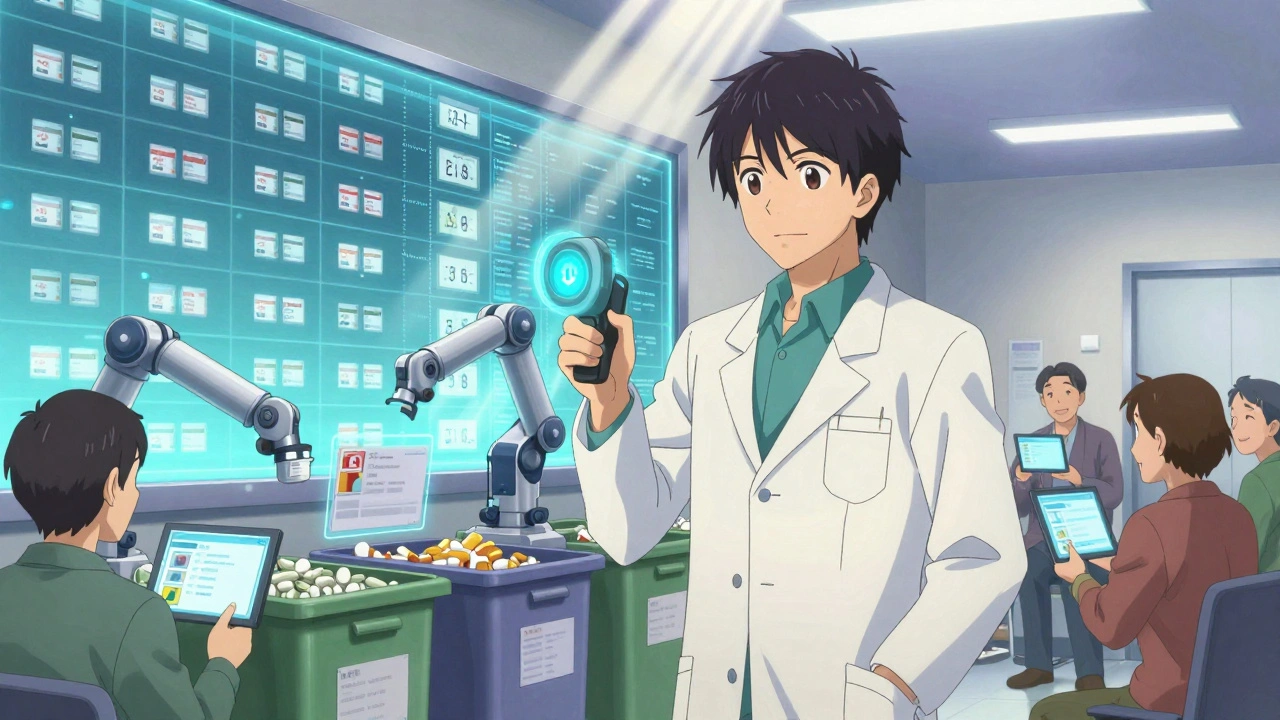
Red Flags to Watch Out For
Not all sample programs are created equal. Here’s how to spot the bad ones:- Asks for credit card info - Legit programs never do.
- Requires you to buy something first - That’s a scam.
- No expiration date on packaging - Illegal. Report it to the FDA.
- Too good to be true - “Free insulin for life!” - Not real.
- Too many samples in too short a time - If you’re getting 10+ samples a month, you’re likely being flagged as a “sample hoarder.”
Final Tips for Long-Term Success
If you want to keep getting samples without burning bridges:- Use only 2-3 trusted platforms max.
- Update your profile every 6 months-add new conditions, medications, or allergies.
- Always provide feedback-even if you didn’t like the product.
- Track every lot number. Use a simple spreadsheet or app like SampleTracker.
- Never resell samples. It’s illegal and undermines the entire system.
- When in doubt, ask your pharmacist or doctor.
Can I get free samples of prescription medications without a doctor’s note?
No. Legitimate pharmaceutical companies require a valid prescription or a confirmed diagnosis before sending samples. Platforms like BzzAgent and SampleSource ask for your medical conditions during sign-up, but they don’t send prescription samples without proof of a doctor’s involvement. If a site claims you can get insulin, blood pressure meds, or antidepressants without a prescription, it’s not legal or safe.
How long do medication samples usually last?
Most medication samples have expiration dates 12 to 24 months from the manufacturing date. However, manufacturers are required to ship samples with at least 6 months of shelf life remaining. Always check the expiration date on the label. For critical medications like insulin or epinephrine, use them within 30 days of receipt to ensure full potency.
What happens if I use an expired medication sample?
Using an expired medication may mean it no longer works as intended. For some drugs, like antibiotics or heart medications, this can be dangerous. Expired insulin may not lower blood sugar. Expired epinephrine auto-injectors may fail during an allergic reaction. The FDA states that most expired medications aren’t toxic, but their effectiveness isn’t guaranteed. Always dispose of expired samples properly and contact the manufacturer for a replacement.
Are free medication samples covered by insurance?
No. Free samples are provided by pharmaceutical companies as part of a marketing and patient support program. They are not billed to insurance and do not count toward your deductible or out-of-pocket maximum. However, using samples can help you determine if a medication works for you before your insurance approves the full prescription.
Can I get samples of controlled substances like opioids or ADHD meds?
No. Federal law prohibits the distribution of controlled substances as free samples. This includes opioids, stimulants like Adderall, and benzodiazepines. If you see a website offering free samples of these drugs, it’s either illegal or a scam. Always get controlled substances through a licensed pharmacy with a valid prescription.
Comments (13)
-
Webster Bull December 12, 2025Free samples aren't free if you're lying about your meds. Just say no to fake profiles. Be real or don't play.

-
Deborah Andrich December 14, 2025I got a sample of metformin last year and forgot to track it until it expired. I felt awful until I called the manufacturer and they sent me a new one with a gift card. Just reach out. They care more than you think.

-
Cole Newman December 15, 2025lol so now we got to take notes like we're in med school? who has time for this? just take the free shit and move on

-
Casey Mellish December 15, 2025In Australia we don't get samples like this but I've seen how it works overseas. The key is transparency. If you're using it to test a drug, own it. Don't ghost the feedback. Pharma needs real data, not TikTok hype.

-
kevin moranga December 16, 2025I've been doing this for years and honestly? It's changed my life. I had no insurance and couldn't afford my blood pressure med until I got samples. I tracked every lot, gave feedback every time, and now my doctor actually listens to me. You're not just getting free stuff-you're helping shape better meds for people like you. Don't underestimate your voice.

-
Alvin Montanez December 17, 2025People think this is a free-for-all. It's not. This is a privilege. If you're hoarding samples like they're collectible trading cards, you're not a patient-you're a parasite on the system. And don't even get me started on people who resell them. That's not just unethical, it's criminal. You're putting lives at risk.

-
Lara Tobin December 17, 2025I used to ignore expiration dates until my mom had a bad reaction to an old insulin sample... 😢 I started tracking everything after that. Now I use a little spreadsheet and set reminders. It’s not hard. It’s just caring.

-
Jamie Clark December 19, 2025The entire system is built on consent and trust. When you lie about your diagnosis to get samples, you're not just breaking rules-you're breaking the contract that makes this system work for everyone. That's not just selfish. It's a moral failure.

-
Keasha Trawick December 20, 2025I'm a nurse and I've seen the dark side of this. One guy got 17 samples of antidepressants in 3 months. He didn't even have a diagnosis. He'd post pics on Reddit like it was a haul. Meanwhile, real patients are waiting weeks for their meds. This isn't a coupon app. It's a lifeline. Treat it like one.

-
Bruno Janssen December 20, 2025I don't even know why I bother reading this. Nobody cares. They just want free stuff. And the ones who do care? They're the ones getting burned when the system collapses because of people like me. I should've just kept quiet.

-
Scott Butler December 20, 2025If you're American and you're complaining about having to track expiration dates, you're part of the problem. We have the best healthcare infrastructure in the world and you're treating it like a garage sale. Get your act together.

-
Tommy Watson December 21, 2025i got a sample of zoloft and didnt even open it. just put it in my drawer. lol who even checks these dates anymore? its just free pills bro

-
Donna Hammond December 21, 2025I started a simple Google Sheet after reading this post-Product Name, Lot #, Expiry, Feedback. I’ve now tracked 23 samples over 18 months. Last month, I reported an expired batch of lisinopril. The manufacturer called me personally, apologized, and sent a replacement plus a $50 Walgreens gift card. They listen. You just have to show up and be honest.
