
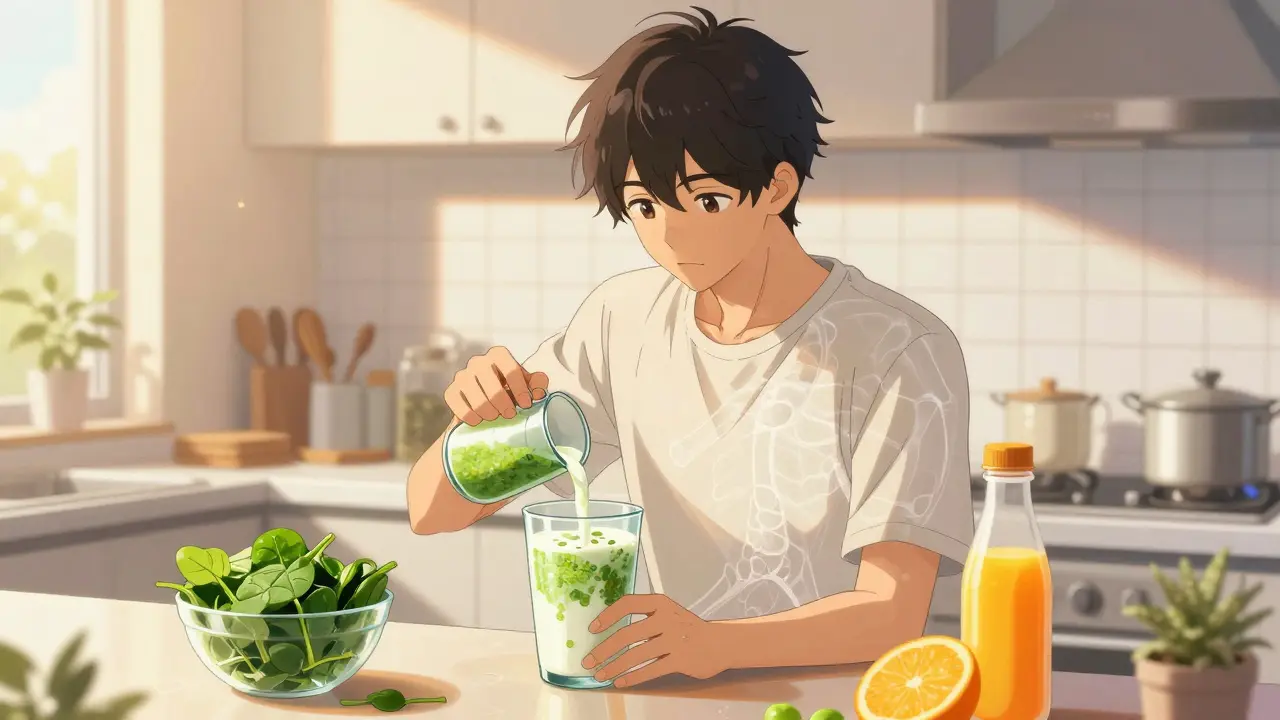
Every year, over 8.9 million fractures happen worldwide due to Osteoporosis is a systemic skeletal disease where bones become weak and brittle, increasing fracture risk. It occurs when bone breakdown outpaces new bone formation. The International Osteoporosis Foundation reports 1 in 3 women over 50 and 1 in 5 men over 50 will suffer an osteoporotic fracture. This isn't just about aging-it's preventable with simple steps.
Key Risk Factors: What You Can and Can't Change
Some risks are out of your control, but others are within reach. Let's break them down.
| Factor Type | Examples | Impact on Fracture Risk |
|---|---|---|
| Non-Modifiable | Age over 65, Female gender, White or Asian ethnicity, Family history of hip fracture | Up to 80% higher risk with parental hip fracture history |
| Modifiable | Low calcium intake, Vitamin D deficiency, Smoking, Sedentary lifestyle | Smoking increases risk by 55%; weight-bearing exercise reduces risk by 30-40% |
Women lose 2-3% of bone mass annually in the first 5-7 years after menopause, according to the Mayo Clinic. Men experience slower bone loss, but still lose 0.5-1% yearly after age 30. Genetics play a big role too-people with parental hip fracture history have 60-80% higher risk.
How to Build Stronger Bones: Nutrition and Exercise
Calcium is foundational for bone health. Adults need 1,000-1,200 mg daily, ideally split into two doses with meals for better absorption. Many struggle to get enough from food alone. Top sources include dairy products, sardines, kale, and fortified orange juice. If supplements are needed, calcium citrate is gentler on the stomach than carbonate.
Vitamin D helps your body absorb calcium. 800-1,000 IU daily is recommended for most adults. Sunlight triggers natural production, but many people need supplements. Deficiency (serum levels below 20 ng/mL) increases fracture risk by 33%. Testing your levels is wise if you have limited sun exposure.
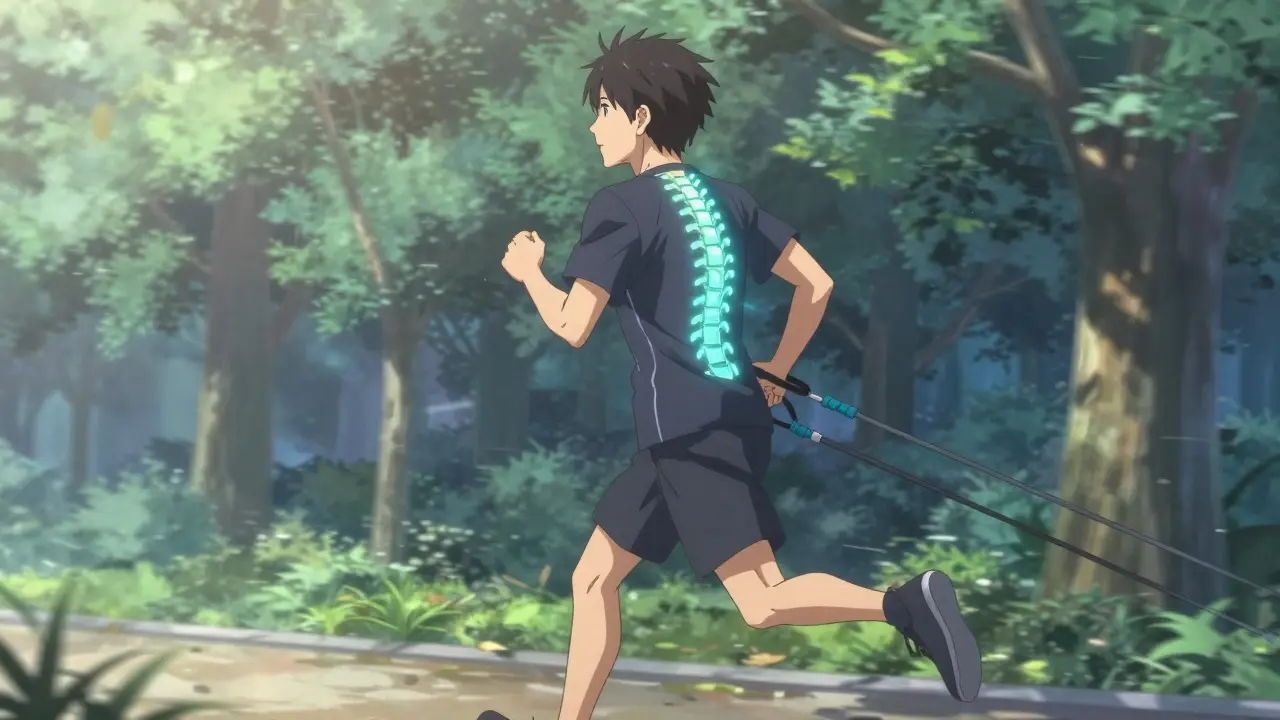
Exercise isn't optional-it's essential. Weight-bearing activities like brisk walking, jogging, or stair climbing for 30-45 minutes, five days a week, build bone density. Add resistance training twice weekly using weights or resistance bands. A Yale University study found this routine reduces fall risk by 45% in seniors.
Testing for Bone Density: What to Expect
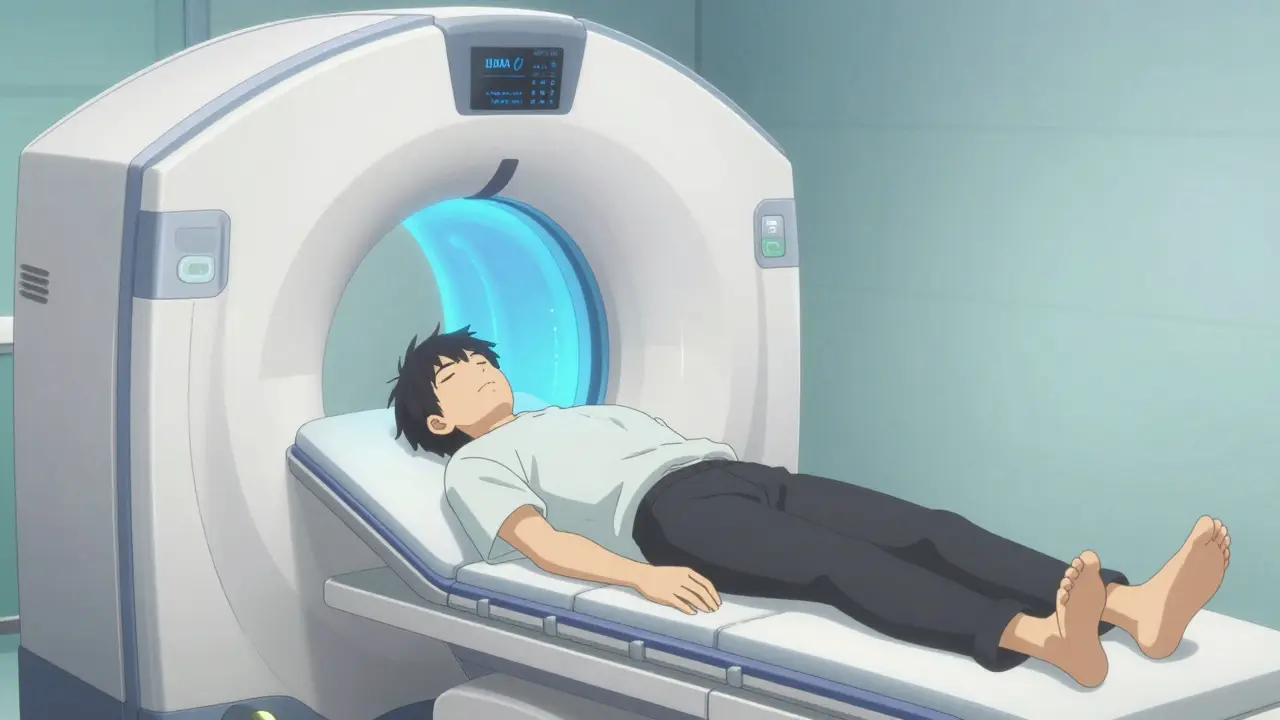
DXA Scan is the gold standard for measuring bone density. It's quick (15-20 minutes), painless, and uses minimal radiation (0.001mSv-equivalent to 3 hours of natural background radiation). Results show T-scores: normal (≥-1.0), osteopenia (-1.0 to -2.5), or osteoporosis (≤-2.5). The US Preventive Services Task Force recommends testing for women over 65 and high-risk individuals over 50.
The FRAX Tool calculates your 10-year fracture risk using factors like age, gender, bone density, and lifestyle. Developed by the WHO, it accurately predicts major fractures in 76% of cases. Doctors use it to decide if medication is needed. You can ask your doctor for this calculation during your next checkup.
Treatment Options and When to Seek Help
If tests show osteoporosis, medications can help. Bisphosphonates like alendronate are common first-line treatments. They slow bone loss and reduce fracture risk by 30-50%. Some people experience stomach issues, so taking them with a full glass of water on an empty stomach helps. Newer options like romosozumab (Evenity) increase bone formation while reducing resorption, cutting vertebral fractures by 73% in 12 months.
For those with corticosteroid-induced osteoporosis (common in arthritis or asthma patients), doctors often prescribe calcium and vitamin D supplements plus bisphosphonates. A 2022 study in the Journal of Clinical Endocrinology & Metabolism found this combination prevents 5-15% bone loss in the first year of steroid use.
Real-Life Strategies for Everyday Prevention
Start today with simple changes:
- Check your home for fall risks: Remove tripping hazards like loose rugs, install grab bars in bathrooms, and improve lighting. The CDC's STEADI program shows this reduces fractures by 29% within a year.
- Make calcium part of every meal: Add a glass of fortified milk to breakfast, snack on almonds, or toss spinach into smoothies. One cup of yogurt provides 300mg of calcium.
- Walk daily: Aim for 30 minutes outside-sunlight boosts vitamin D while walking strengthens bones. Even short walks count; 10-minute sessions three times a day add up.
- Quit smoking: Smoking impairs calcium absorption and estrogen metabolism. Quitting cuts fracture risk by 55% over time. Talk to your doctor about cessation programs.
Many people don't realize bone loss starts silently. A 2022 survey by the National Osteoporosis Society found 61% of patients over 65 missed early signs until after a fracture. Don't wait-take action now.
How much calcium do I need daily?
Adults under 50 need 1,000 mg daily. Over 50, women need 1,200 mg and men need 1,000 mg. Split doses into 500-600 mg servings with meals for best absorption. Dairy, leafy greens, and fortified foods are great sources. Supplements work if diet falls short.
Can exercise really strengthen bones?
Yes, absolutely. Weight-bearing exercises like walking, jogging, or dancing stimulate bone growth. Resistance training with weights or bands builds muscle that supports bones. Studies show consistent exercise increases bone density by 1-2% within a year and reduces fall risk by 45% in seniors. Even starting late helps-research shows benefits for people over 70 who begin exercising.
What's the best way to test for osteoporosis?
A DXA scan is the most accurate test. It measures bone density at the hip and spine, taking 15-20 minutes with minimal radiation. Doctors recommend it for women over 65 and high-risk individuals over 50. The FRAX tool can help determine if you need testing based on your risk factors. No special preparation is needed-you can eat normally beforehand.
Do I need medication for osteoporosis?
Not always. Medication is typically recommended if your FRAX score shows high fracture risk or if you've already had a fracture. For mild bone loss (osteopenia), lifestyle changes often suffice. Talk to your doctor about your personal risk level before starting medication. Many people successfully manage osteoporosis through diet, exercise, and regular monitoring.
How does menopause affect bone health?
Menopause accelerates bone loss because estrogen drops sharply. Women lose 2-3% of bone mass annually in the first 5-7 years after menopause, compared to 0.5-1% yearly before. This is why bone density testing is critical around menopause. Hormone therapy may help some women, but it's not for everyone-discuss risks and benefits with your doctor.
Comments (8)
-
Johanna Pan February 5, 2026
This is a very important topic.
Bone health is crucial for everyone.
Ive been following these tips and feel great.
Maybe I misspelled some words but you get the idea.
Lets all take care of our bones!

-
Jenna Elliott February 7, 2026
Osteoporosis is a problem
Stop being lazy
Exercise more
Eat calcium
No excuses

-
Elliot Alejo February 8, 2026
Good points here. I've been doing weight-bearing exercises and they really help.
Consistency is key.
Maybe suggest adding more examples like specific exercises for different age groups.

-
lance black February 10, 2026
Do it!

-
Laissa Peixoto February 11, 2026
Bone health is not just a matter of calcium intake; it's a complex interplay of nutrition, exercise, and overall lifestyle.
The body's ability to maintain bone density depends on a multitude of factors including hormonal balance, physical activity levels, and even mental health.
For instance, chronic stress can negatively impact bone health by increasing cortisol levels, which in turn can lead to bone loss.
It's crucial to approach bone health holistically rather than focusing on single interventions.
Studies have shown that a combination of weight-bearing exercise, adequate vitamin D, and a balanced diet rich in minerals like magnesium and phosphorus is the most effective strategy.
Additionally, avoiding smoking and excessive alcohol consumption plays a significant role in preventing bone deterioration.
Many people overlook the importance of early prevention, but starting these habits in your 30s or 40s can make a substantial difference later in life.
It's not about quick fixes but sustainable changes that support your body's natural processes.
Each small step you take today contributes to long-term skeletal strength.
Remember, the foundation of strong bones is built over years, not weeks.
Consistency is key, and patience is essential.
The journey to better bone health is a marathon, not a sprint.
By prioritizing these aspects, you're investing in your future self.
Don't wait until a fracture occurs to take action-proactive care is always better than reactive treatment.
Small daily choices accumulate into significant health benefits over time.

-
Georgeana Chantie February 13, 2026
This is all nonsense.
Osteoporosis isn't a real issue.
People should just stop worrying.
😏

-
Carol Woulfe February 13, 2026
The pharmaceutical industry is pushing these meds to make money.
Natural methods are better.
Did you know the government is hiding the truth?
😒

-
Kieran Griffiths February 13, 2026
Hey, great post.
I've been helping my grandma with this.
Simple steps like walking and calcium make a huge difference.
You got this!
