
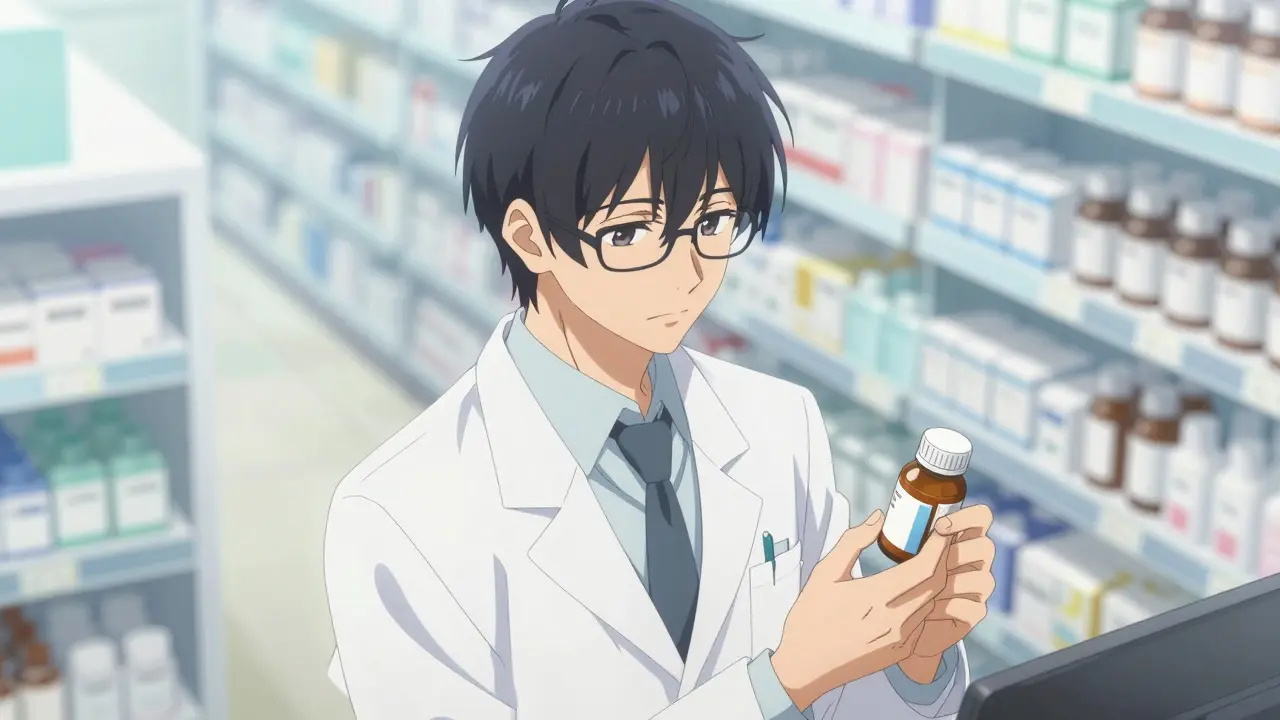
Most people assume that if they have a bad reaction to a generic drug, it's simply because the drug is "cheaper" or less regulated than the brand name. That is a myth. In reality, the safety standards for generic drugs are just as strict as they are for the original version. However, some people experience rare side effects-reactions that affect fewer than 1 in 1,000 patients-that don't show up in initial clinical trials. These rare events are only discovered when real people use the medication in the real world and report what happens.
Reporting a side effect isn't just about your own health; it's about flagging potential patterns that could save others. If you notice something unusual after switching to a generic, you might be the key to identifying a new safety concern. Here is exactly how to handle rare adverse events and when you need to speak up.
What Counts as a Reportable Adverse Event?
Not every mild headache or upset stomach requires a formal government report, but adverse event reporting is critical when a reaction is serious or unexpected. An adverse event is any unfavorable and unintended sign, symptom, or disease temporally associated with the use of a medicinal product.
You should report an event immediately if it meets any of these "serious" criteria:
- The reaction was life-threatening or resulted in death.
- It caused permanent disability or significant impairment.
- It required a hospital stay or emergency room visit to treat.
- It caused a congenital anomaly (birth defect).
- It required an emergency intervention to prevent permanent damage.
Beyond these serious cases, you should also report "unexpected" reactions. These are side effects that aren't listed on the drug's packaging or the patient information leaflet. For example, if you are taking a generic for blood pressure and suddenly develop a rare skin rash like Stevens-Johnson Syndrome, this is a critical signal that needs to be documented, even if you aren't sure the drug caused it.
Generic vs. Brand Name: Is There a Difference?
There is a common misconception that generics are monitored less closely. Under the Hatch-Waxman Amendments of 1984, the rules for pharmacovigilance-the science of detecting and preventing adverse effects-are identical for both. Whether you are taking the brand-name version or a generic, the manufacturer is legally obligated to report serious unexpected reactions to the authorities within 15 days.
In fact, data shows that most adverse event reports don't even distinguish between the two because the active ingredients are the same. However, rare reactions can sometimes be caused by "inactive ingredients" or excipients, such as lactose or specific dyes, which can vary between different generic manufacturers. This is why reporting the specific brand and lot number of your generic drug is so important.
| Reaction Type | Reporting Urgency | Required Action | Deadline |
|---|---|---|---|
| Serious & Unexpected | High | Expedited Report | 15 Calendar Days |
| Serious & Expected | Medium | Periodic Report | Quarterly/Annually |
| Non-Serious/Mild | Low | Spontaneous Report | As occurring |
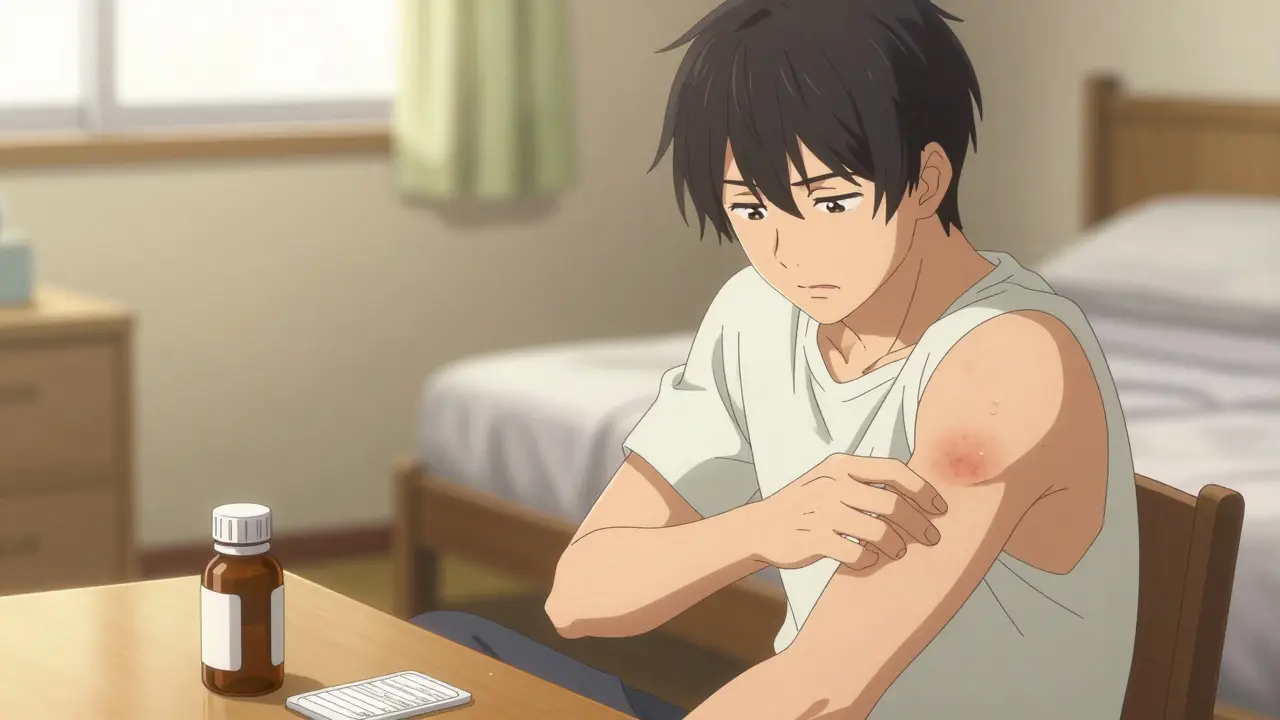
How to Report Your Side Effects
If you suspect a generic medication is causing a rare adverse event, you don't have to wait for your doctor to do it. You can report it directly. In the United States, the primary tool is MedWatch, the FDA's safety information and adverse event reporting program. MedWatch allows consumers and healthcare professionals to report serious adverse events, product quality problems, and medication errors.
Depending on who you are, there are different ways to submit your findings:
- For Consumers: Use Form 3500B. This is a simplified version designed for patients. You can submit it online or call the toll-free number 800-FDA-1088.
- For Healthcare Providers: Use Form 3500. This form asks for more clinical detail, such as laboratory values and comorbidities, which helps experts determine if the drug actually caused the event.
When reporting, be as specific as possible. A report that just says "I felt sick" isn't very helpful. A high-quality report includes the drug's lot number, the exact dose, how long you took it, and any other medications you were using at the same time. This level of detail allows agencies to use the FAERS (FDA Adverse Event Reporting System) database to see if other people using the same batch of medication are having the same problem.
When to Suspect the Generic is the Cause
It can be hard to tell if a new symptom is caused by a drug or something else entirely. Experts look for three main triggers to decide if a strong report is warranted:
- No Other Explanation: You've been healthy for years, you haven't changed your diet, and you suddenly develop a symptom (like acute liver injury) shortly after starting a generic medication.
- Plausible Timing: The reaction happened within a timeframe that makes sense. For instance, some reactions happen within hours, while others, like liver issues with certain statins, might appear after 1 to 6 weeks.
- Known Mechanisms: The reaction matches how the drug is known to work. For example, if a generic ACE inhibitor causes angioedema (severe swelling), it fits the known profile of that class of drugs.
Even if you aren't 100% sure, you should still report it. A huge percentage of significant safety findings start as reports where the cause was "uncertain." When hundreds of these "uncertain" reports point to the same generic drug, it creates a signal that triggers a formal safety review.

The Impact of Your Report: Real-World Examples
Your report might seem like a drop in the bucket, but these reports lead to real changes. Take the case of generic citalopram. After several reports of QT prolongation (a heart rhythm issue), the FDA updated the labeling to limit the dose to 20mg per day for patients over 60. This directly prevented potential heart failure in thousands of seniors.
Similarly, reports of joint pain (arthralgia) linked to generic levetiracetam prompted an ongoing safety review. Without those individual patients speaking up, the regulatory bodies would have no way of knowing that a specific formulation was causing issues.
Today, agencies are using even more advanced tools to help. The Sentinel Initiative uses electronic health records from millions of patients to spot rare signals. In 2022, this system helped identify increased hypoglycemia risks with certain generic metformin formulations. But these high-tech tools still rely on the initial human reports to know where to look.
Do generic drugs have more side effects than brand names?
Generally, no. Because generics must have the same active ingredient and be bioequivalent to the brand name, the side effect profile is typically identical. However, some people may react to different inactive ingredients (excipients) used by different manufacturers.
What is the Naranjo Scale?
The Naranjo Scale is a validated questionnaire used by healthcare providers to determine the likelihood that a drug caused a specific adverse reaction. A score of 9 or higher usually indicates a "definite" adverse drug reaction.
Should I report a side effect if I'm not sure it was the drug?
Yes. Regulatory agencies encourage reporting even when causality is uncertain. Many important safety signals are discovered by aggregating many "uncertain" reports that all point to the same medication.
How long does it take for the FDA to act on a report?
It varies. Serious, unexpected reactions are processed quickly (often within 15 days for manufacturers). For the general public, reports are added to the FAERS database. Once a "signal" is detected-meaning a pattern emerges-the FDA may issue a safety communication or mandate a label change.
Where can I find the lot number of my generic medication?
The lot number is typically printed on the side of the medication bottle, the bottom of the carton, or on the blister pack. Providing this number is crucial because it helps investigators determine if a problem is limited to one specific batch of the drug.
Next Steps for Patients and Providers
If you are a patient experiencing a reaction, your first step is always to contact your healthcare provider. Do not stop taking a prescribed medication without medical supervision, as some drugs require a gradual taper to avoid dangerous withdrawal symptoms.
For healthcare providers, the best approach is a 5-step protocol: first, document all clinical details using the structured MedWatch format; second, assess causality using criteria like the WHO-UMC; third, determine if the event is "serious" based on the CIOMS scale; fourth, check the current drug label to see if the reaction was expected; and finally, submit the report via the electronic gateway within 15 days for any serious unexpected events.
Whether you are a patient or a professional, remember that reporting a rare event isn't just a bureaucratic task-it's a critical part of the healthcare safety net. The more high-quality data we provide, the safer generic medications become for everyone.