
Food Testing: How to Spot Contaminants, Ensure Safety, and Protect Your Health
When you eat, you trust that your food is safe—but food testing, the process of checking food for harmful substances before it reaches your plate. It's not just for labs and regulators; it's the invisible shield between you and dangerous chemicals, bacteria, and hidden toxins. Without it, you could be eating pesticide residues, undeclared allergens, or even mold that causes serious illness. Every batch of meat, produce, dairy, and packaged food that passes through commercial supply chains goes through some form of food testing, even if you never see the results.
foodborne illness, sickness caused by eating contaminated food. It's not just a bad stomach ache—it's a leading cause of hospitalizations and deaths worldwide, and many cases are preventable with better testing. Think of recalls: when spinach is pulled because of E. coli, or peanut butter pulled because of salmonella, that’s food testing in action. But it doesn’t stop at big outbreaks. Routine checks look for pesticide residues, chemicals left on fruits and vegetables from farming. These aren’t just buzzwords—they’re measurable risks that can build up in your body over time. Even legal levels can be harmful to kids, pregnant women, or people with chronic conditions. And then there’s contamination detection, the process of finding hidden dangers like metal fragments, plastic, or undeclared gluten. These aren’t always from poor handling—they can come from faulty equipment, cross-contact in factories, or even packaging materials. Food testing doesn’t just check for germs; it checks for everything that shouldn’t be there.
You might think this is all handled by the government, but the truth is, testing standards vary by country, by product, and even by brand. Some companies test more than others. Some rely on third-party labs. Others skip critical checks to save money. That’s why knowing what’s being tested—and what’s not—gives you real power. It helps you ask better questions, choose safer brands, and understand why certain products get pulled while others don’t. The posts below show you how medication safety, drug interactions, and patient monitoring aren’t the only areas where precision matters. Food testing is just as critical—and just as personal. Whether you’re feeding a child, managing a food allergy, or just trying to eat clean, the details in these articles will help you see beyond the label and understand what’s really in your food.
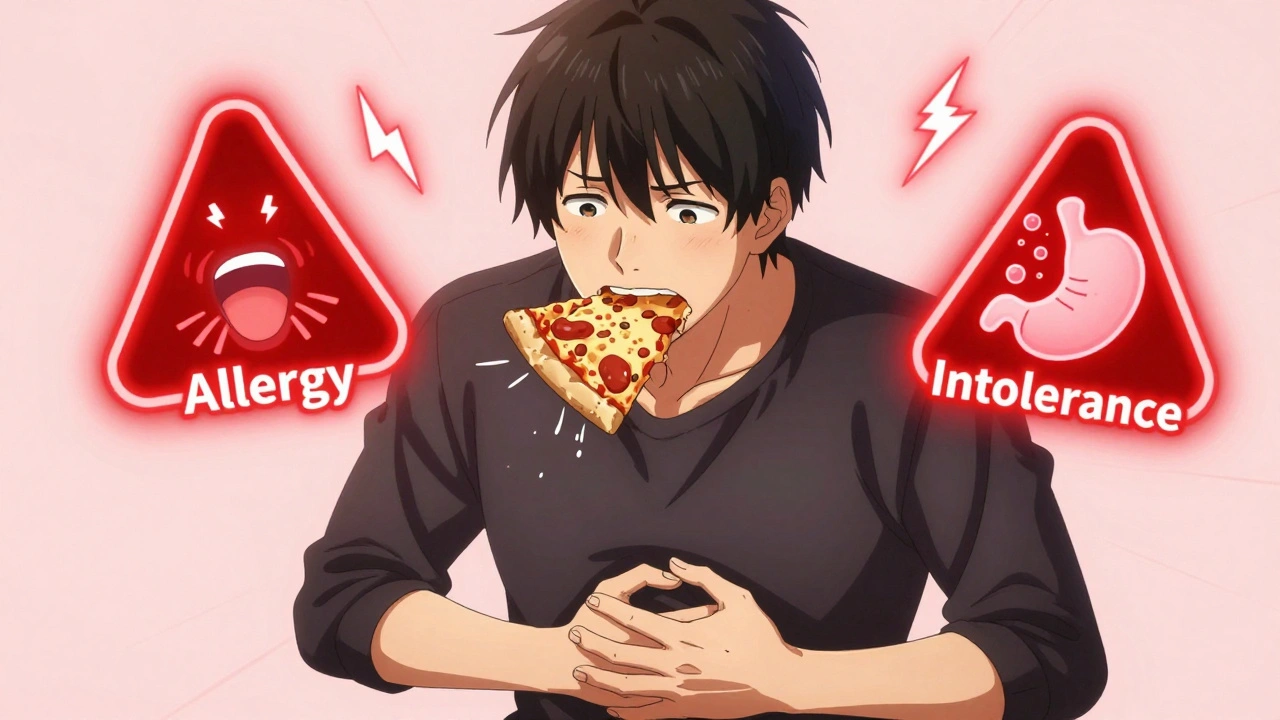
Food Intolerance vs. Allergy: GI Symptoms and Testing Explained
Finnegan O'Sullivan Dec 5 8Learn the key differences between food intolerance and food allergy, including GI symptoms, reliable testing methods, and how to manage each condition safely and effectively.
More Detail