
Hypoglycemia Prevention: How to Avoid Low Blood Sugar Episodes
When your blood sugar drops too low, you don’t just feel shaky—you could pass out, have a seizure, or end up in the hospital. hypoglycemia prevention, the set of actions taken to avoid dangerously low blood glucose levels. It’s not just for people with diabetes—it matters if you’re on insulin, sulfonylureas, or even if you skip meals regularly. Also known as low blood sugar, it’s a silent risk that catches people off guard, especially when they’re busy, stressed, or exercising without planning.
One of the biggest mistakes people make is thinking hypoglycemia only happens at night or when they haven’t eaten. In reality, it can strike after a workout, after drinking alcohol, or even after taking too much medication. blood sugar control, the ongoing process of keeping glucose levels within a safe range. It’s not about perfection—it’s about consistency. Eating small, balanced meals every 3 to 4 hours, pairing carbs with protein or fat, and always carrying a fast-acting sugar source like glucose tablets or juice can make all the difference. If you take insulin, knowing your insulin-to-carb ratio and timing your doses right matters more than you think. And it’s not just about food. diabetes management, the full system of monitoring, medication, diet, and lifestyle adjustments for people with diabetes. It includes tracking patterns. If you notice your blood sugar drops after certain activities or at certain times, that’s data—not coincidence. Writing it down helps you and your doctor adjust your plan before the next episode.
Some people ignore early signs—sweating, trembling, hunger, or a racing heart—because they think it’s "just nerves." But those are your body’s alarms. Ignoring them can lead to confusion, slurred speech, or loss of consciousness. Always treat low blood sugar fast: 15 grams of glucose, wait 15 minutes, check again. Repeat if needed. And never drive or operate machinery when you feel off. insulin reactions, unexpected drops in blood sugar caused by insulin or other diabetes drugs. They’re common, but they’re not unavoidable. Many people prevent them by using continuous glucose monitors, setting alerts, and talking to their pharmacist about medication timing. Even small changes—like eating a snack before bed if you’re prone to nighttime lows—can stop emergencies before they start.
The posts below cover real-world strategies from people who’ve lived with this, not just textbook advice. You’ll find tips on managing low blood sugar while traveling, how certain medications increase your risk, what to do if you’re on multiple drugs, and how to talk to your doctor about adjusting your plan. Whether you’re newly diagnosed or have been managing this for years, there’s something here that can help you stay safe—and stay in control.
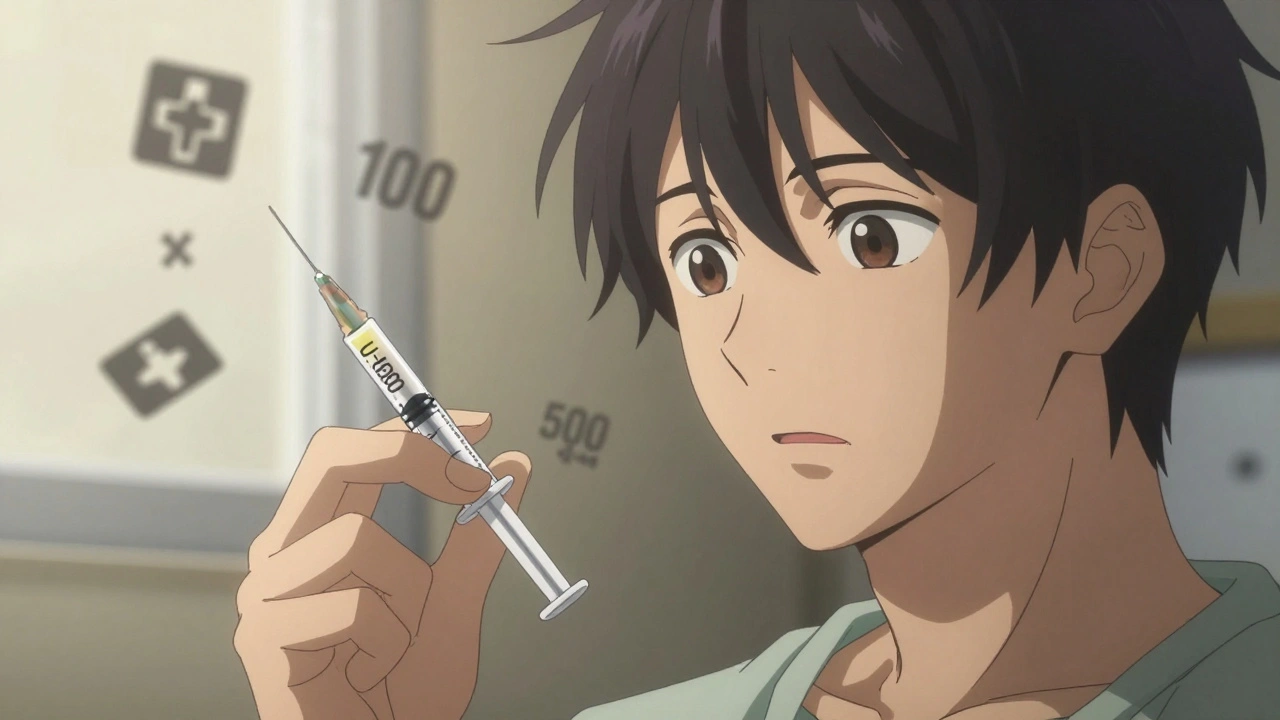
Insulin Safety: How to Avoid Dosing Errors, Choose the Right Syringe, and Prevent Hypoglycemia
Finnegan O'Sullivan Dec 4 9Learn how to safely use insulin by understanding dosing units, choosing the right syringe, and preventing dangerous low blood sugar. Avoid common errors that lead to hypoglycemia with clear, practical guidelines.
More Detail