
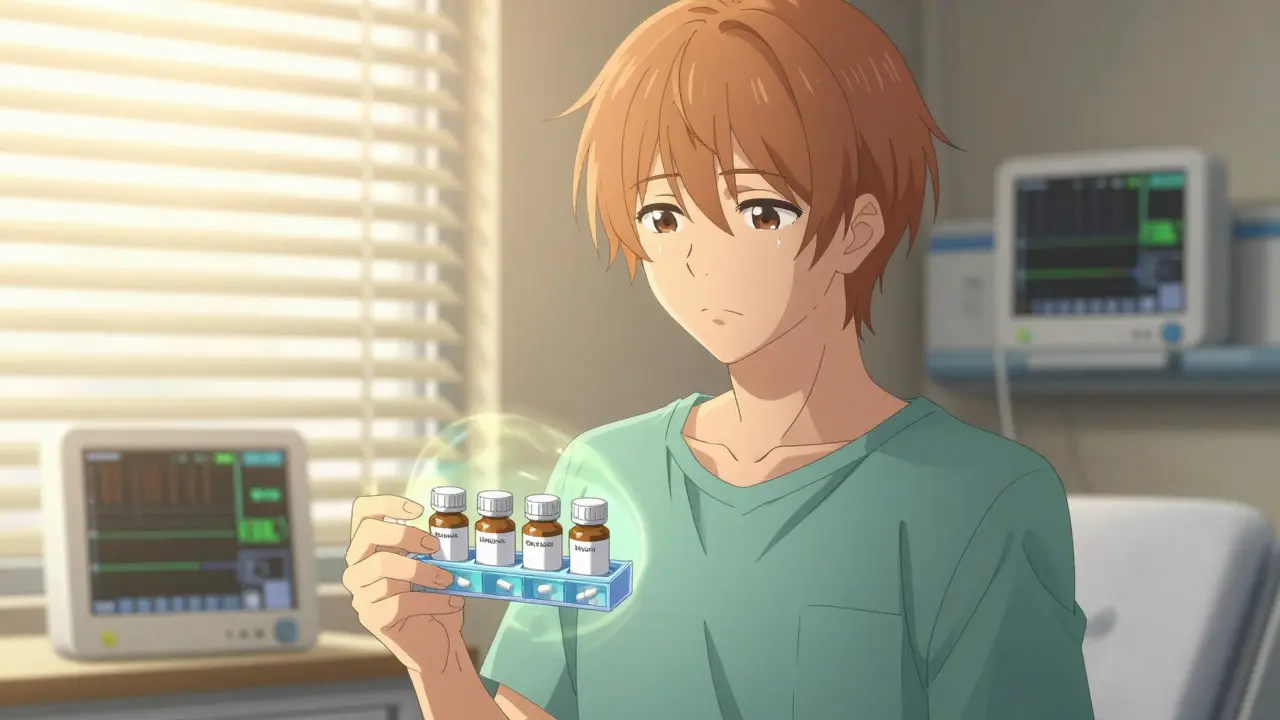
What Immunosuppressants Do and Why They’re Lifesaving
After an organ transplant, your body sees the new organ as an invader. It’s not being ungrateful-it’s just doing what it was designed to do: fight off anything foreign. That’s where immunosuppressants come in. These drugs quietly turn down your immune system so your new kidney, heart, liver, or lung isn’t attacked and destroyed. Without them, most transplants would fail within days.
Since the first successful kidney transplant in 1954, these medications have changed everything. Back then, 80% of transplants failed due to rejection. Today, thanks to better drugs and smarter dosing, that number is under 15%. But here’s the catch: suppressing your immune system isn’t harmless. It’s like turning off an alarm system-you stop burglars, but now a fire might go unnoticed. That’s why safety isn’t optional. It’s the core of surviving long-term after a transplant.
The Four Main Types of Immunosuppressants and Their Hidden Risks
Doctors don’t use just one drug. They combine classes to get the best effect with the least damage. Each has its own risks, and knowing them can save your life.
Calcineurin inhibitors (like cyclosporine and tacrolimus) are the backbone of most regimens. They block the signal that tells immune cells to attack. But they’re tough on the kidneys. About 30-50% of people on these drugs develop long-term kidney damage. They can also raise blood pressure, cause shaky hands, and spike your blood sugar. Tacrolimus is more common now because it’s slightly less toxic than cyclosporine, but both increase your cancer risk by 2 to 4 times.
Corticosteroids (like prednisone) are powerful but messy. They calm inflammation across the whole body, but they also cause weight gain, mood swings, thinning bones (osteoporosis affects 30-50% of long-term users), and diabetes in up to 40% of patients. Many centers now try to wean patients off steroids within a year-but not everyone can.
Antiproliferative agents (mycophenolate mofetil and azathioprine) stop immune cells from multiplying. Mycophenolate is the go-to today. It causes nausea, vomiting, and diarrhea in up to half of patients. It can also drop your white blood cell count, making infections more likely. If you’re feeling unusually tired or getting sick often, it might not be a cold-it could be your meds.
mTOR inhibitors (sirolimus and everolimus) are newer and less harsh on the kidneys. But they come with their own dangers. They delay wound healing-big problem after surgery. They can cause serious lung inflammation (pneumonitis) in 1-5% of people. Everolimus carries a black box warning: it can cause blood clots in the new kidney’s artery, leading to sudden graft loss within 30 days. Sirolimus is off-limits for liver and lung transplant patients because it’s linked to higher death rates.
Nonadherence: The Silent Killer
One of the biggest threats to transplant survival isn’t a drug side effect-it’s forgetting to take your pills.
A study of 161 kidney transplant patients found 55% weren’t taking their meds as prescribed. Some skipped doses. Others delayed them. One person missed a dose because they were embarrassed to take pills in front of coworkers. Another stopped because the cost was too high. Another just forgot.
The results? Nonadherence raises rejection risk by 3 to 4 times. For heart transplant patients, skipping doses triples the chance of transplant coronary disease. For lung patients, nonadherence rates range from 2% to over 70%-depending on how honest people are.
It’s not about being irresponsible. It’s about complexity. Some regimens require 8 pills at 4 different times a day. That’s hard to remember. That’s why simplified schedules-like once-daily tacrolimus-boost adherence by 15-25%. Mobile app reminders, pill organizers, and family support make a real difference.

Living Safely: Infection Prevention and Daily Habits
With your immune system turned down, everyday germs become dangerous. A common cold can turn into pneumonia. A small cut can become a serious infection.
For the first 3 to 6 months after transplant, you’ll be on antibiotics and antivirals to block common threats like cytomegalovirus (CMV). If you’re receiving an organ from a donor who had CMV and you didn’t, your risk of infection jumps to 70% without preventive drugs.
Outside of meds, your daily habits matter just as much:
- Wash your hands often-especially before eating and after being in public.
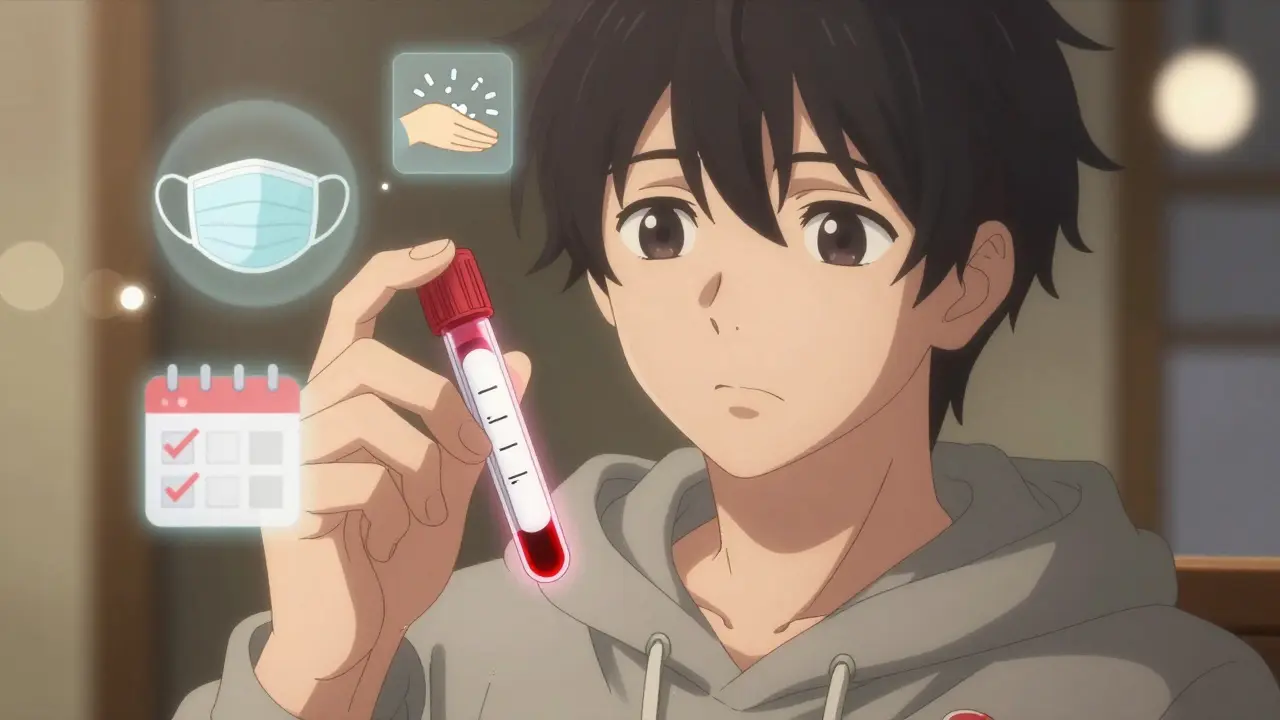
- Wear a mask in crowded places, hospitals, or during flu season.
- Avoid gardening or cleaning cat litter-fungus in soil and cat feces can cause serious lung infections.
- Stay away from live vaccines (like MMR or chickenpox). Killed vaccines (flu shot, pneumonia shot) are safe.
- Don’t eat raw fish, undercooked meat, or unpasteurized cheese. These can carry listeria or other bugs your body can’t fight.
Monitoring and Adjusting: Why Blood Tests Are Non-Negotiable
Your doctor doesn’t guess your dose. They measure it.
Too little immunosuppressant? Your body attacks the transplant. Too much? Your kidneys fail, your blood sugar spikes, or you get cancer. The margin is thin.
Regular blood tests check your drug levels, kidney function, liver enzymes, and blood counts. You’ll likely need these tests weekly at first, then monthly, then every few months. Even if you feel fine, skip a test, and you risk missing a slow rejection or early toxicity.
Doctors also adjust doses over time. After the first year, most patients go from 3-4 meds down to 2-3. Some can even reduce or stop steroids. But that’s always done carefully, with close monitoring. Never change your dose on your own.
When Things Go Wrong: Recognizing Rejection and Toxicity
Rejection doesn’t always hurt. It often sneaks in silently.
Signs vary by organ:
- Kidney: Swelling, less urine, high blood pressure, unexplained weight gain.
- Liver: Yellow skin or eyes, dark urine, abdominal pain, extreme fatigue.
- Heart: Shortness of breath, swelling in legs, irregular heartbeat, dizziness.
- Lungs: Dry cough, fever, trouble breathing, chest tightness.
Drug toxicity signs include:
- Tremors or headaches (common with tacrolimus).
- Severe diarrhea or vomiting (mycophenolate).
- Sudden shortness of breath (pneumonitis from mTOR inhibitors).
- Unexplained bruising or bleeding (low platelets).
If you notice any of these, call your transplant team immediately. Don’t wait. Don’t assume it’s nothing. Early action can save your organ.
The Long Game: Lifelong Management and New Hope
You’ll need immunosuppressants for the rest of your life. That’s the reality.
Life expectancy after transplant has improved dramatically. A kidney transplant recipient lives longer than someone on dialysis. But even with the best care, transplant patients still live shorter lives than the general population-mostly because of long-term drug side effects.
But there’s hope. New research is focusing on personalized medicine. Some centers now use blood biomarkers to tell if you’re at high or low risk of rejection. Low-risk patients can reduce their CNI dose by 30-50% without increasing rejection. That means fewer kidney problems and lower cancer risk.
Scientists are also studying immune tolerance-ways to train the body to accept the organ without lifelong drugs. It’s still experimental, but it’s happening.
Right now, your job is simple: take your pills, show up for tests, listen to your body, and talk to your team. Every dose, every blood draw, every conversation matters.
What Happens If the Transplant Fails?
If your new organ stops working, you don’t suddenly stop taking immunosuppressants. But you should.
Why? Because the drugs no longer serve a purpose. They only keep hurting you-raising your cancer risk, damaging your kidneys, weakening your bones.
Stopping them slowly under medical supervision is safer than quitting cold turkey. Abruptly stopping can cause a flare-up of rejection symptoms: reduced urine output, liver swelling, shortness of breath, or heart failure. Your team will guide you through a safe taper.
And if you need another transplant? You’ll start immunosuppressants again. The cycle continues.
Can I stop taking immunosuppressants if I feel fine?
No. Feeling fine doesn’t mean your immune system isn’t quietly attacking your transplant. Rejection often has no symptoms until it’s advanced. Stopping or skipping doses-even for a day-can trigger rejection that may destroy your organ. Always follow your doctor’s instructions exactly.
Are there any natural supplements or herbs that are safe to take with immunosuppressants?
Almost none. St. John’s wort, echinacea, garlic pills, and green tea extract can interfere with how your body processes immunosuppressants. They might make the drugs less effective (increasing rejection risk) or more toxic (increasing side effects). Always check with your transplant team before taking any supplement-even those labeled "natural."
How do I know if my medication levels are too high or too low?
You can’t tell by how you feel. Only blood tests can show your drug levels. Symptoms like tremors, nausea, or swelling might suggest toxicity, but they can also be caused by other things. Your transplant team uses specific target ranges for each drug. If your level is outside that range, they’ll adjust your dose-not based on symptoms, but on lab results.
Can I get pregnant while taking immunosuppressants?
Yes-but only with careful planning. Some immunosuppressants are safer than others during pregnancy. Mycophenolate is dangerous and must be stopped at least 6 months before trying to conceive. Tacrolimus and low-dose steroids are often used during pregnancy under close supervision. Always talk to your transplant doctor and an obstetrician who specializes in high-risk pregnancies before planning a pregnancy.
What should I do if I miss a dose?
If you miss a dose, take it as soon as you remember-unless it’s almost time for your next one. Never double up. If you miss more than one dose, contact your transplant team immediately. Missing doses increases rejection risk, and your team may need to adjust your plan or run urgent tests.
Is it safe to travel with immunosuppressants?
Yes, but plan ahead. Bring at least double your supply in your carry-on. Keep them in original bottles with your name and prescription. Carry a letter from your doctor explaining your condition and meds. Avoid travel to areas with poor sanitation or outbreaks of infectious disease. Always know where the nearest transplant center is in case of emergency.
Final Thought: Safety Isn’t a Checklist-It’s a Lifestyle
Transplant isn’t a cure. It’s a new beginning that comes with daily responsibility. The drugs that saved your life are the same ones that could end it if not handled right. There’s no magic formula. Just discipline: take your pills, get your labs, avoid risks, speak up when something feels off. Your new organ isn’t just a gift-it’s a partnership. And partnerships require constant care.
Comments (9)
-
Nicki Aries February 1, 2026I can't even begin to tell you how many times I've had to remind my sister to take her meds after her transplant. She's 52, works full-time, has two kids, and somehow still forgets. It's not laziness-it's sheer mental overload. I started leaving sticky notes everywhere: fridge, bathroom mirror, her car dashboard. One said, 'Your new kidney doesn't care if you're tired.' It worked. Don't underestimate the power of dumb, visible reminders. This post? Perfect. Everyone needs to read this.

-
Naresh L February 2, 2026The analogy of the alarm system being turned off is profoundly accurate. One wonders, however, whether the human body, in its evolutionary design, was ever meant to accept foreign tissue. Perhaps the very mechanism that makes us survive predators, infections, and environmental threats is the same one that now undermines our medical progress. Is it possible that immunosuppression is not a solution, but a compromise-a temporary truce with biology? The cost of survival, in this case, may be a life lived in perpetual vigilance.

-
Sami Sahil February 2, 2026yo i had a kidney transplant 3 yrs ago and let me tell u-tacrolimus made me shake like a leaf and my sugar went through the roof. i started using a pill box with alarms and it changed EVERYTHING. also, no more raw sushi. i miss it. but i’m alive. and that’s the win. stay on your meds. your future self will thank you. 💪

-
Bob Cohen February 3, 2026So let me get this straight. We spend billions developing drugs that trick the body into not killing its new organ… and then we expect people to remember to take 8 pills at 4 different times a day? The real miracle isn’t the transplant. It’s that any of us survive long enough to complain about the side effects.

-
Nancy Nino February 4, 2026I appreciate the thoroughness of this post, yet I must emphasize that the term 'nonadherence' is clinically inaccurate when applied to patients who face socioeconomic barriers such as unaffordable medications or lack of transportation to clinics. This is not a behavioral failure-it is a systemic one. We must advocate for policy change alongside patient education. Compassion without structural support is performative.

-
June Richards February 6, 2026Ugh, I hate when people say 'just take your pills.' Like I haven't tried? I’ve got alarms, pill organizers, a spreadsheet, and a whole damn wall chart. And still, sometimes I just… don’t. Because it’s exhausting. And then I feel guilty. And then I skip the next one too. It’s a cycle. This post didn’t solve it. But at least now I know I’m not the only one who’s tired of being a medical robot. 😔

-
Lu Gao February 7, 2026Actually, the claim that 'mTOR inhibitors are less harsh on the kidneys' is misleading. While they spare renal function compared to CNIs, they carry a significantly higher risk of pneumonitis and arterial thrombosis-especially in lung recipients. The literature (e.g., Transplantation 2021) shows a 7.3% incidence of graft loss due to mTOR-related vascular events in lung transplants. Sirolimus should be contraindicated in non-kidney transplants. This article glosses over critical nuances.

-
Nidhi Rajpara February 7, 2026I am a transplant nurse in Mumbai, and I can confirm that in India, access to immunosuppressants remains a severe challenge. Many patients discontinue treatment due to cost, not negligence. We often see patients traveling 300 kilometers for a single blood test. The article, while accurate, lacks global perspective. Safety is not just personal discipline-it is a human right.

-
Chris & Kara Cutler February 8, 2026We’ve been through this. Took 2 years to get our meds right. Now we’re at 1 pill a day. No steroids. No chaos. We still do our labs. We still wear masks. We still say ‘no’ to raw cheese. And we’re still alive. 💕
