
Parent Medication Guide: Safe Drug Use for Kids and Teens
When you’re a parent, giving your child medicine isn’t just about following the label—it’s about understanding how their body reacts differently than an adult’s. A parent medication guide, a practical resource for caregivers managing drugs for children and teens helps you avoid common mistakes like wrong dosing, dangerous interactions, or unsafe storage. Kids aren’t small adults, and their developing systems respond in ways you might not expect—especially with common meds like antibiotics, ADHD drugs, or even over-the-counter pain relievers.
One of the biggest risks isn’t the medicine itself, but how it’s handled. Every year, child medication safety, the practice of preventing accidental poisoning and misuse of drugs in children becomes more critical as more households keep multiple prescriptions on hand. A single pill meant for an adult can be deadly to a toddler, and even a child’s cough syrup can cause serious harm if taken by mistake. That’s why proper storage—like locking meds away in a high cabinet, not just out of reach—isn’t optional. It’s life-saving. And it’s not just about little kids. Teens are more likely to experiment with medications they find at home, especially anxiety pills, sleep aids, or painkillers. A pediatric drug interactions, harmful combinations of medications that affect children differently than adults can happen when a teen takes a cold medicine with their ADHD drug, or when a parent gives ibuprofen alongside an antibiotic without realizing the liver strain.
Some meds are fine for adults but risky for kids. Sulfonamides can cause brain damage in newborns. Antipsychotics and levodopa can clash dangerously in teens with movement disorders. Even herbal supplements like St. John’s Wort can make antidepressants useless or cause serotonin overload. A good parent medication guide doesn’t just list rules—it explains why they exist. It tells you when to call the doctor after a missed dose, how to read a pediatric dosing chart, and what symptoms mean trouble versus normal side effects. It helps you spot signs of misuse, understand why generics aren’t always interchangeable for seizure meds, and know when to ask for a second opinion on a new prescription.
And it’s not just about drugs. It’s about habits. Keeping a symptom log. Knowing when to stop a steroid cream. Understanding why your child’s kidney function matters when they’re on blood pressure meds. This collection of articles gives you real-world tools—not theory. You’ll find step-by-step plans for tapering off tough medications, emergency tips for benzodiazepine overdose, and how to store meds so your 3-year-old can’t find them. Whether you’re managing a chronic condition, dealing with a new diagnosis, or just trying to keep your family safe, this guide cuts through the noise and gives you what works.
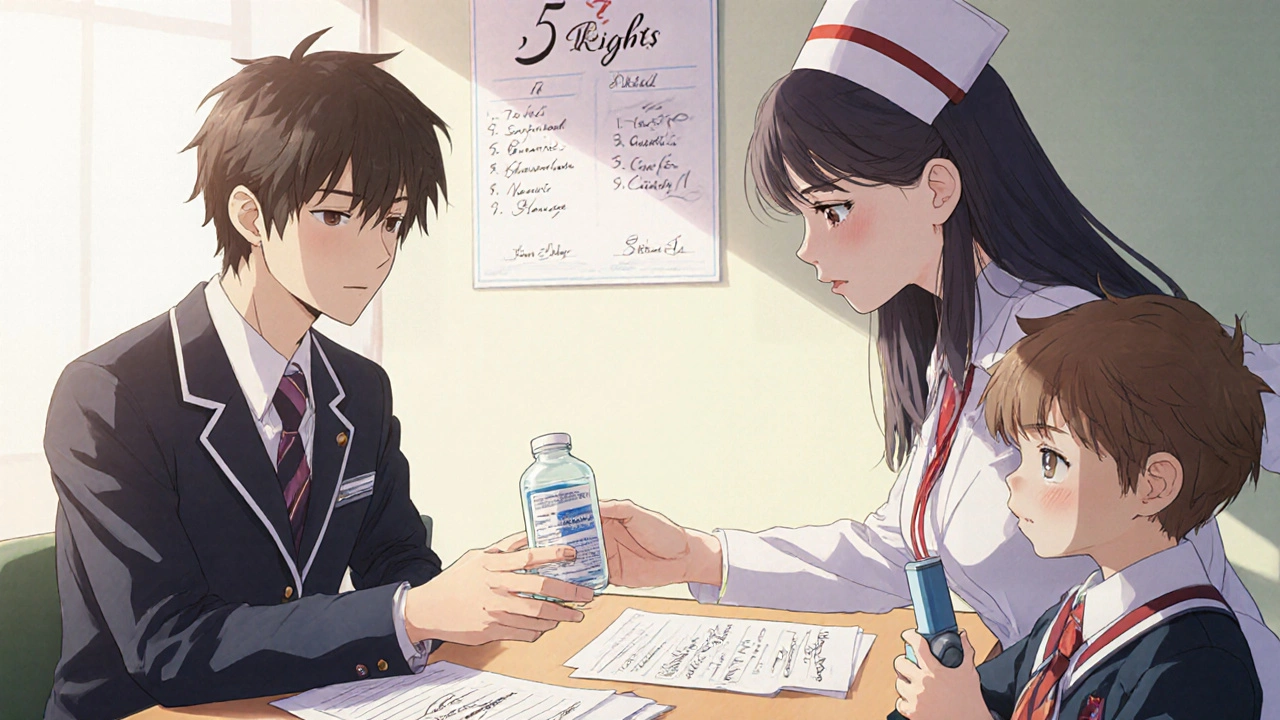
School Medications: Safe Administration Guidelines for Parents
Finnegan O'Sullivan Nov 24 10Learn the exact steps parents must take to ensure their child's medications are safely given at school, from paperwork and labeling to handling refusals and year-end retrieval.
More Detail